I Can’t Pay My Bills Because of Gambling — What Should I Do?
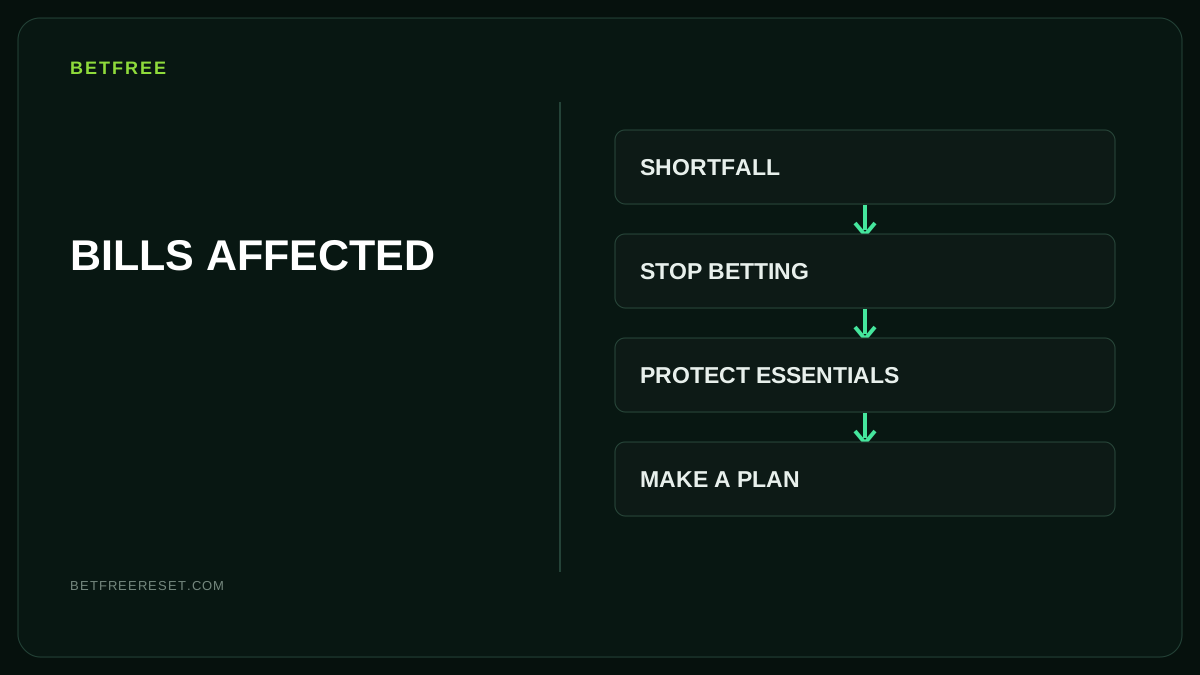
If gambling has left you unable to cover bills, the priority is to stop the financial damage from getting worse and protect the money that still has a job to do.
1. Do not try to win the bill money back
The pressure of an unpaid bill can make another bet feel urgent or necessary. That pressure is exactly what can deepen the loss. Separate the gambling decision from the bill problem: stop new deposits first, then work out what can still be protected.
2. List the essential obligations that are due first
Write down the payments that affect housing, utilities, food, transport and other essential commitments. Then compare those obligations with the money you still have available. This gives you a real picture of the gap instead of letting the next gambling session decide what happens.
3. Protect what remains before solving the shortfall
If money is still available, move it out of easy gambling reach where practical. Remove saved payment methods, use banking gambling controls if available, and make access harder through Barrier Builder. Protecting the remaining amount is more important than trying to erase the loss.
4. Avoid borrowing specifically to chase
Borrowing because you need to cover an essential bill is already a serious financial decision. Borrowing in order to gamble and try to recover the bill money adds another layer of risk. Gambling should not become the repayment plan.
5. Deal with the bill problem directly
If you know a payment cannot be made, consider contacting the provider, creditor or an independent debt-support service rather than waiting until the problem grows. Explain the financial difficulty without relying on another bet to solve it.
6. Build a barrier for the next income that arrives
If payday or incoming money is likely to trigger another gambling session, plan before the money lands. Use Payday Protection, remove payment shortcuts and decide which essential payments should be protected first.
Useful next steps
Use only the resources that match what is happening now.
This page is general educational information and is not personal financial advice. If you cannot meet essential payments, consider independent professional debt or financial support.